Tractor Splitting: A Necessary Evil?
Splitting a tractor is a significant undertaking, akin to major surgery on a powerful machine. It's not a task for the faint of heart or the mechanically inexperienced. However, for serious repairs or maintenance on certain tractor components, splitting may be necessary to access internal mechanisms. This guide provides a step-by-step approach for experienced mechanics and those with prior tractor repair experience. Remember, safety is paramount! Improper procedures can lead to serious injury or damage. For added stability during the process, consider using tractor stabilizers.
Safety Precautions: Your Top Priority
Before starting any work, prioritize safety. This is not a project to rush! Serious injury or damage can result from negligence.
- Personal Protective Equipment (PPE): Always wear appropriate safety gear, including sturdy work gloves, safety glasses or a face shield, steel-toed boots, and a respirator if working with hydraulic fluids or other potential irritants. A hard hat is also recommended.
- Environmental Considerations: Ensure a well-lit, clean, and unobstructed workspace. Hydraulic fluid is hazardous; have absorbent materials readily available for spills, and familiarize yourself with local regulations for proper disposal.
- Risk Assessment Table:
| Risk Factor | Likelihood | Severity | Mitigation Strategy |
|---|---|---|---|
| Tractor Damage | Moderate | High | Use proper lifting equipment; follow manufacturer's instructions precisely. |
| Personal Injury | Moderate | High | Use proper safety equipment; use lifting techniques appropriate for the weight. |
| Hydraulic Fluid Leaks | Moderate | Medium | Contain all spills promptly; utilize absorbent materials; follow local regulations for disposal. |
| Incorrect Reassembly | High | High | Use detailed diagrams, service manuals, and take copious photographs during disassembly. |
| Component Misalignment | High | Medium | Meticulously check alignment using precise measuring instruments (e.g., calipers, rulers) during reassembly. |
Tools and Materials: The Essential Arsenal
The exact tools will depend on your tractor model, but these are crucial for most jobs:
- Hydraulic Jack(s): A high-capacity jack sufficient for lifting a significant portion of the tractor's weight.
- Jack Stands: Multiple, appropriately rated jack stands for secure support. Never rely solely on the jack.
- Wrenches & Sockets (Metric & Standard): A complete set, preferably ratcheting for efficiency.
- Torque Wrench: Essential for proper tightening to manufacturer's specifications.
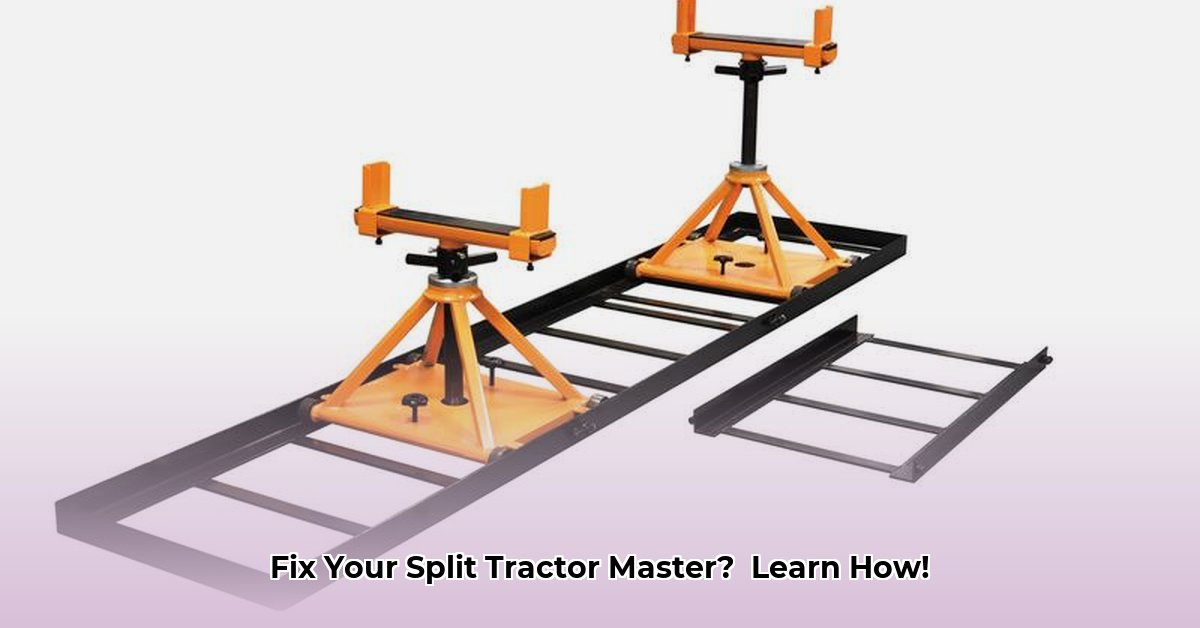
- Jigs and Dollies: Highly recommended for precise alignment during splitting and reassembly.
- Hydraulic Line Disconnection Tools: Specialized tools are necessary to prevent damage and leaks.
- Clean Rags & Containers: For containing spills and maintaining a clean workspace.
- Tractor Service Manual: Your primary reference – consult it frequently!
Step-by-Step Tractor Splitting Process
This is a general guide; always follow your tractor's service manual. Take your time. Accuracy is crucial.
- Disconnection: Disconnect the battery. Drain all hydraulic fluid into clearly labeled containers for proper disposal. Carefully disconnect all relevant components, including hydraulic lines, electrical connectors, and linkages. Label and photograph each step thoroughly.
- Separation: Using jacks and dollies, carefully separate the tractor sections according to the manufacturer's instructions.
- Component Removal: Once separated, access and remove the components that need repair or maintenance. Handle components carefully!
- Repair & Maintenance: Perform necessary repairs, cleaning, or part replacements.
Reassembly: A Precise Operation
Reassembly is the reverse of disassembly, but even greater care is needed. Use your labeled components and photographs.
- Alignment: Precisely align all components, utilizing jigs and dollies to prevent damage and misalignment.
- Torque Specifications: Use a torque wrench to tighten bolts to the manufacturer's specifications.
- Reconnections: Reconnect all hydraulic lines, ensuring no leaks; reconnect electrical connectors and linkages. Double-check everything!
Troubleshooting
- Misalignment: Re-check all connections and use measuring instruments for precise positioning.
- Leaks: Identify and repair leaks by tightening connections or replacing damaged seals.
- Electrical Issues: Double-check all wiring diagrams and connections.
Conclusion
Tractor splitting is a complex task demanding mechanical skill, patience, and safety awareness. Always defer to your tractor's service manual and don't hesitate to seek professional help if necessary. Safety is paramount. Remember: proper preparation and meticulous execution are key to success.